Back Pain Treatment in Bellevue WA
Back pain can start from the simplest things. A quick twist. Long hours at a desk. Even everyday stress. When it shows up, it affects everything — work, sleep, and how easily you move.
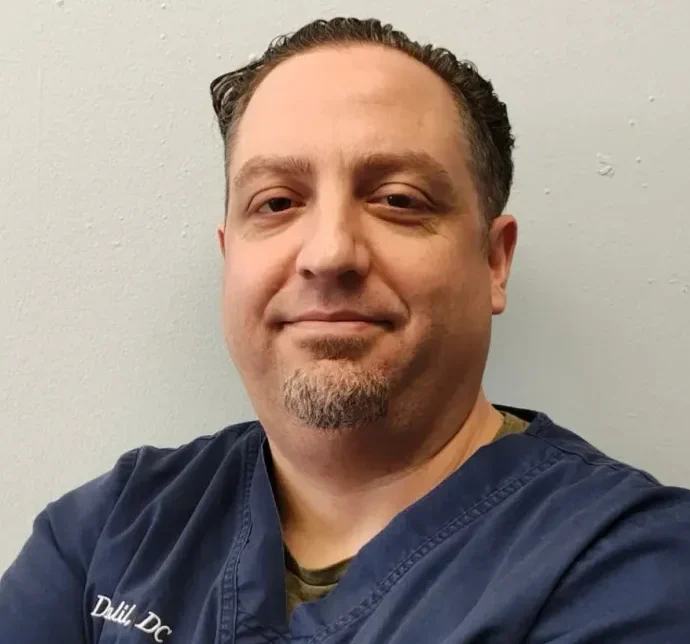
At True Chiropractic Bellevue, Dr. Jordan Kalil looks beyond the painful spot. Back pain often comes from spinal misalignment, joint irritation, or muscle strain that has been building over time. His approach is precise and gentle. The goal is to restore natural motion and calm irritated tissues so your body can function the way it should.
Call (425) 224-5533 to schedule your complimentary consultation.
What causes back pain?
Low back discomfort is one of the most frequent reasons people seek chiropractic care. It can stem from many sources, including:
- Muscle strains and sprains. Lifting, twisting or bending can strain the muscles, tendons and ligaments of the lumbar spine.
- Disc irritation or herniation. Spinal discs may bulge or tear and press on nearby nerves.
- Joint restriction or misalignment. When vertebral joints become stiff or misaligned, they can cause pain and limit motion.
- Poor posture and prolonged sitting. Hours at a desk or driving place stress on the back and lead to muscle fatigue.
- Structural issues. Conditions such as spinal stenosis, spondylolisthesis or scoliosis create narrowing or slippage in the spine.
- Arthritis or degenerative change. Osteoarthritis and degenerative disc disease can inflame joints and reduce cushioning.
- Pregnancy or weight gain. Added weight and hormonal changes alter spinal curves.
- Injuries and repetitive stress. Falls, sports or jobs that involve repetitive lifting can overload the back.
Dr. Kalil explains that pain often arises when the spine cannot stabilise during movement. Patients may repeat stressful motions or positions without realising it, and over time the low back reaches its tipping point. What seems like a sudden flare‑up is usually the result of accumulated strain. By identifying these stressors, we can correct the underlying problem rather than merely treating symptoms.
How do you diagnose back pain?
At True Chiropractic Bellevue, diagnosis begins with a conversation. Dr. Kalil asks about your health history, daily activities and when the pain started. He listens for clues about past injuries, work demands, sports or pregnancies that might have overloaded the spine. A hands‑on examination follows, checking posture, spinal movement, reflexes and muscle tone.
Using orthopedic tests, muscle testing and range‑of‑motion assessments, Dr. Kalil can determine whether pain is disc‑related, joint‑related, or due to overworked or under‑utilised muscles, as he noted in his discussion with patients. Neurological tests help identify nerve involvement, and gentle palpation pinpoints tender or restricted segments. When necessary, we may take digital X‑rays to visualise alignment or rule out fractures. Other studies, such as motion analysis or referral for an MRI, are used when symptoms suggest more complex issues.
Once all the information is gathered, Dr. Kalil explains what is likely causing the discomfort and discusses your options. By the end of your visit, you know what is going on and have a roadmap for moving forward.
What kind of treatments do you provide?
Back‑pain care at True Chiropractic Bellevue is personalised. Dr. Kalil combines gentle chiropractic adjustments with soft‑tissue therapy and exercise to address both the source and the surrounding muscles. He summarises his approach as “adjustment, soft tissue and some sort of active therapy,” meaning that your plan may include:
- Chiropractic adjustments. Precise, hands‑on or instrument‑assisted corrections restore alignment, reduce joint restriction and improve nerve communication. Dr. Kalil tailors the adjustment style to your comfort.
- Soft‑tissue techniques. Massage, myofascial release and active release techniques loosen tight muscles and fascia, reduce spasms and improve blood flow. These methods often accompany the adjustment to relieve immediate tension.
- Traction and decompression. For disc irritation, controlled traction or non‑invasive decompression tables gently take pressure off nerves and help discs re‑hydrate. Mechanical traction therapy offered at our clinic improves spinal alignment and promotes healing.
- Shockwave/SoftWave therapy. In cases of stubborn pain or sciatica, acoustic shockwave therapy stimulates blood flow and reduces inflammation. Dr. Kalil used this technique alongside adjustments and McKenzie‑style exercises to help a military patient with radiating leg pain regain function.
- Stabilisation and exercise. A core stabilisation programme strengthens the muscles that support the spine. Dr. Kalil incorporates McKenzie extension exercises, strength and conditioning, and posture coaching so that patients learn how to move without overloading their backs. He stresses integrated motion — using the hips and core together — rather than relying solely on the back for lifting and bending.
Because every spine is different, some plans focus more on mobilisation and stretching, while others emphasise strengthening or lifestyle changes. Your treatment evolves as you improve, ensuring care stays comfortable and effective.
How long does it take to give results?
Healing timelines vary. Many people feel some relief within the first few visits — perhaps less stiffness when rising from a chair or an easier time getting through the workday. In one case Dr. Kalil shared, an office worker who strained their back while moving felt able to walk, lift, drive and sleep without pain after two weeks of adjustments, soft‑tissue work and stabilisation exercises. However, lasting change takes longer.
Factors such as how long the problem has been present, the severity of disc or joint involvement, age, occupation and general health all influence recovery. Chronic issues that have developed over months or years require patience. Consistency with care, doing assigned exercises, staying active and following ergonomic advice speed the process. Dr. Kalil believes in setting realistic expectations and tracking progress, so you always know where you stand and what to expect next.
What equipment do you use for it?
Your comfort and safety guide our choice of equipment. True Chiropractic Bellevue uses modern chiropractic tables that allow for gentle, specific adjustments. We also have drop tables and traction units that can relieve pressure on irritated discs or joints. For persistent pain, shockwave/SoftWave therapy units deliver focused sound waves to stimulate healing, and a class 4 laser reduces inflammation and promotes tissue repair. Digital X‑ray equipment provides clear images for accurate diagnosis and treatment planning.
Dr. Kalil always explains what he is using and why. Whether it’s a simple handheld instrument for a low‑force adjustment or a specialised decompression table, you remain informed and in control.
What are long term consequences of not getting treated?
- Occasional twinges can develop into chronic pain that’s harder to manage
- Nerves may become more sensitive, making pain feel stronger over time
- Mobility can decline, affecting walking, bending, and daily independence
- Ongoing pain can increase stress, anxiety, or depression
- Some people turn to long-term medication use just to cope
- Extra stress on discs and nerves, increasing the risk of degeneration or sciatica
- Joint restrictions that worsen posture and movement patterns
- Compensation in the hips, knees, or neck that creates new pain
Early care helps protect the spine, maintain flexibility, and prevent long-term limitations.
Case Studies
Summary: An office worker in their 30s developed sudden low‑back pain after a weekend spent moving heavy boxes. The pain was sharp, and bending or sitting made it worse. They struggled to work and sleep.
Diagnosis: Examination and orthopedic tests showed lumbar joint irritation and overworked muscles, but no disc herniation. Restricted movement and poor core engagement were the main issues.
Treatment: Dr. Kalil designed a plan combining gentle adjustments, soft‑tissue release and McKenzie‑style extension exercises. A stabilisation programme taught the patient to engage the hips and core when lifting. Sessions also included shockwave therapy to calm inflamed tissues.
Outcome: Within two weeks, the patient reported significant improvement. They could walk, drive and lift without sharp pain and were sleeping through the night again. Continued visits focused on strengthening and posture training.
Home care: At home, the patient used ice packs during flare‑ups and switched to gentle heat once inflammation settled. Daily stretching, simple core exercises and ergonomic adjustments at their workstation prevented recurrence. They learned to squat and use their legs rather than bending from the waist.
Book An Appointment
Please use the booking tool below to book an appointment or by calling us on (425) 224-5533
FAQs - Back Pain Treatment
How soon can I expect relief?
Many people feel some improvement within the first few visits, such as less stiffness or an easier time performing daily activities. Timelines depend on the cause, how long the problem has been there and how consistently you follow the plan. Dr. Kalil will discuss expected milestones with you.
Is chiropractic care safe during pregnancy?
Yes. Prenatal chiropractic care uses gentle adjustments and mobilisation to reduce back, hip and groin pain without stressing the joints. Dr. Kalil modifies techniques to accommodate a growing belly and focuses on stabilisation exercises to support the pelvis. Always inform your provider about your pregnancy so your care is tailored appropriately.
What happens during my first visit?
Your initial appointment includes a detailed consultation about your health history and lifestyle, followed by a hands‑on exam. Dr. Kalil checks posture, muscle tone and joint movement, performs orthopedic and neurological tests and may recommend digital X‑rays. After reviewing the findings, he explains the likely cause of your pain and recommends a customised treatment plan.
Are there any home remedies to manage back pain?
Gentle walking, avoiding prolonged sitting, and alternating ice and heat can help manage discomfort. Applying an ice pack wrapped in a towel for up to 20 minutes reduces swelling. Later, a warm pad increases blood flow and eases tight muscles. Simple stretches like cat‑cow or child’s pose loosen the spine. These strategies support your care but are not a substitute for a proper evaluation.
Can chiropractic care help with sciatica and leg pain?
Sciatica occurs when the L4–L5 nerve roots become irritated, causing numbness, tingling or weakness down the back of the leg. Dr. Kalil uses adjustments, soft‑tissue release, decompression and targeted exercises to reduce pressure on the nerve and restore mobility. When needed, shockwave therapy can calm inflammation and speed recovery. Most patients experience gradual relief and improved function when they follow their recommended plan.
Content Reviewed by