Carpal Tunnel Syndrome Treatment
If your hands keep “falling asleep,” buzzing, or dropping things, that is not just part of getting older or working on a laptop all day. Carpal tunnel syndrome (CTS) is a common wrist nerve problem that can make simple things like typing, holding a phone, or carrying groceries way harder than they should be.
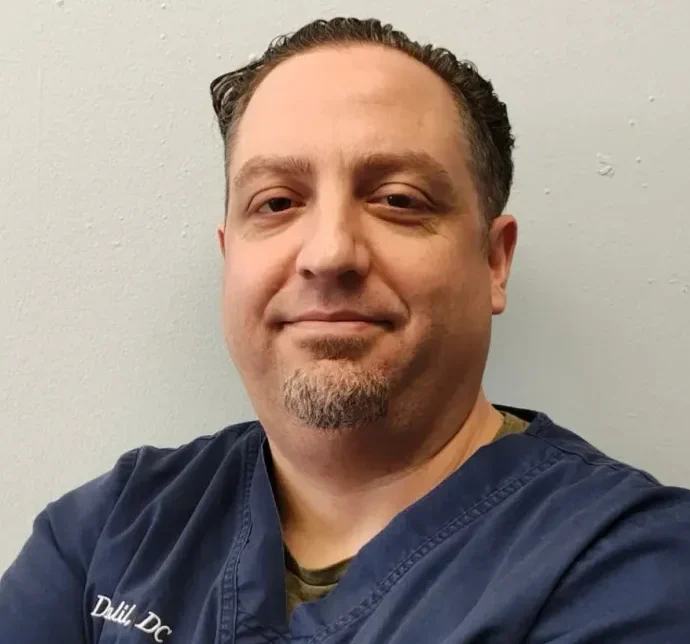
At True Chiropractic Bellevue in Bellevue, WA, chiropractor Dr. Jordan Kalil provides natural, conservative carpal tunnel syndrome treatment in Bellevue, WA focused on easing pain, calming irritated nerves, and fixing the movement patterns that keep aggravating your wrist. He takes time to really understand how your symptoms started, what your day actually looks like, and what your goals are so care feels personal and doable.
If you are looking for non-surgical carpal tunnel treatment, you can schedule a consultation with Dr. Kalil to get clear answers, a precise diagnosis, and a customized treatment plan. Call (425) 224-5533 to schedule your complimentary consultation.
Why is Carpal tunnel syndrome
Carpal tunnel syndrome happens when the median nerve gets compressed as it passes through a small tunnel in your wrist. That tunnel is packed with tendons and ligaments, so when tissues get irritated or swollen, there is less space for the nerve. The result is wrist nerve compression that your brain feels as tingling, numbness, weakness, or pain.
Dr. Kalil sees CTS as a nerve problem plus a movement problem. Just like with neck, low back, or sciatic issues, irritated joints and tight soft tissues can force other areas to compensate and overwork, which makes the nerve even more sensitive. Common carpal tunnel symptoms include:
- Tingling or numbness in the thumb, index, middle, and part of the ring finger
- Hands “falling asleep,” especially at night or while driving
- Weak grip, dropping objects, or trouble opening jars
- Aching or burning pain at the wrist
- Pain that can travel up into the forearm or even toward the shoulder
Early median nerve compression is often easier to calm than long-standing, constant numbness, which is why getting checked sooner is better.
Do you treat carpal tunnel syndrome?
Yes. At True Chiropractic Bellevue, Dr. Jordan Kalil regularly helps patients with wrist, hand, and arm complaints, along with spine, shoulder, knee, and ankle problems. His background in sports medicine and extremity-focused chiropractic care means he looks beyond the wrist itself to understand how your whole upper body is moving.
People who often seek a chiropractor for carpal tunnel syndrome at our Bellevue office include:
- Tech and office workers who type or mouse for hours
- Gamers, designers, and students who live on laptops and phones
- Hairstylists, baristas, mechanics, and other hands-on workers
- Lifters and athletes who grip, pull, or bear weight a lot
- Pregnant patients who suddenly develop wrist and hand tingling
Dr. Kalil’s approach is not just “treat the wrist.” He evaluates your wrist, forearm, elbow, shoulder, neck, and posture to find the real contributors. Care is designed to calm symptoms while also improving joint motion, reducing muscle tension, and teaching you better ways to move so the same problem is less likely to keep coming back.
What causes carpal tunnel syndrome?
Carpal tunnel syndrome usually does not come out of nowhere. It builds over time as the median nerve is repeatedly irritated inside the wrist tunnel. Dr. Kalil often finds the same patterns he sees with neck and low back pain: repeated stress, poor mechanics, and long periods of doing the exact same thing without breaks.
Common contributors include:
- Repetitive hand and wrist motions, like typing, mousing, gaming, or using tools
- Poor ergonomics, such as a keyboard that is too high, a mouse too far away, or a slouched seated posture
- Prolonged gripping or use of vibrating tools
- Hormonal changes, including pregnancy or menopause
- Swelling from wrist sprains or other injuries
- Systemic conditions such as diabetes, thyroid disorders, or rheumatoid arthritis
All of these can narrow the carpal tunnel or irritate its contents, which increases pressure on the median nerve. Over time, this wrist nerve compression can shift from “once in a while tingling” to constant numbness or weakness if it is not addressed.
How does treatment plan look like?
Carpal tunnel care with Dr. Kalil begins with a focused exam. He asks when symptoms show up, what activities trigger them, and what you have tried. He checks motion, grip strength, nerve function, and posture. He also evaluates the elbow, shoulder, and neck, since issues there can add stress to the wrist.
Treatment is personalized. Gentle adjustments improve joint motion in the wrist and nearby areas. Soft-tissue work relaxes tight forearm and hand muscles. Exercises help the median nerve glide smoothly and strengthen support around the wrist. You’ll also get ergonomic tips for your desk, devices, and daily tasks.
Most people start with 2–3 visits per week, then taper as symptoms improve. During pregnancy, techniques are lighter and tailored to each trimester. The goal is to reduce nerve irritation and help you use your hands comfortably again.
Long-term problems without treatment
Ignoring carpal tunnel syndrome is kind of like ignoring a check-engine light. It might not stop you right away, but the problem usually does not fix itself. Over time, ongoing median nerve compression can lead to:
- More frequent or constant numbness and tingling
- Reduced grip strength and clumsiness with fine motor tasks
- Muscle shrinking at the base of the thumb
- Difficulty with work tasks, workouts, and everyday things like buttoning clothes
- Sleep disruption from waking up with dead-feeling hands
Dr. Kalil has seen what happens when irritated nerves in the spine are left to build for months or years. Patients arrive unable to sleep, drive, or work because the pain and numbness are so intense. The same idea applies to the wrist. Early, conservative care cannot guarantee you will avoid surgery, but it often helps protect nerve function, keep options less invasive, and maintain strength and coordination in your hand.
How do we diagnose carpal tunnel syndrome
On your first visit, the goal is to answer two big questions: “Is this really carpal tunnel?” and “Why is it happening to you?”
Dr. Kalil starts with a detailed history, listening to when your symptoms show up, what makes them flare, and what your day usually looks like, from work to workouts to caregiving. Then he performs a hands-on exam that can include:
- Palpation of the wrist, hand, and forearm
- Range of motion testing of the wrist, elbow, shoulder, and neck
- Orthopedic and neurologic tests that stress or tap the median nerve
- Strength checks for grip and pinch
- Sensation testing in the fingers
- Posture and ergonomic assessment
He does not rely on imaging alone. For most CTS cases, physical exam findings are the main guide, just like with low back or neck pain. If your symptoms are severe, atypical, or not responding as expected, Dr. Kalil may coordinate with your primary care provider to consider electrodiagnostic studies or imaging as part of a team-based approach.
Why choose chiropractic care for carpal tunnel syndrome?
Chiropractic care offers a non-invasive, drug-free option for people looking for non-surgical carpal tunnel relief. Rather than only bracing the wrist or focusing on medications, Dr. Kalil works to restore healthy motion, calm irritated tissues, and support the nerve from wrist to neck.
Reasons people choose a chiropractor for carpal tunnel syndrome at True Chiropractic Bellevue include:
- Root-cause focus: Wrist, forearm, elbow, shoulder, neck, and posture are all evaluated and addressed.
- Hands-on care plus active rehab: Adjustments, mobilizations, and soft tissue work are paired with exercises and movement coaching so you have tools outside the office.
- Personalized plans: Athletes, desk workers, parents, kids, and pregnant patients all move differently. Dr. Kalil adapts frequency, techniques, and home routines for each person.
- Education and confidence: You will understand what is happening with your wrist and what each part of your plan is trying to accomplish, instead of just being “cracked and sent home.”
Chiropractic care can often be part of a broader strategy that includes your medical team, especially if you are trying to delay or avoid surgery when appropriate.
Book An Appointment
Please use the booking tool below to book an appointment or by calling us on (425) 224-5533
FAQs - Carpal Tunnel Syndrome
What offers temporary relief from carpal tunnel symptoms?
Short term, people often get relief by:
- Taking breaks from typing or gripping
- Gently shaking out or stretching the hands and forearms
- Resting the wrist in a neutral position
- Using a soft, neutral wrist brace at night for limited periods
- Resetting posture and screen height
These can calm things down a bit, but they do not fix the underlying mechanics or nerve irritation. Dr. Kalil’s goal is to combine symptom relief with a plan that actually addresses why the problem started.
Does insurance cover chiropractic CTS treatment?
Coverage for chiropractic care and carpal tunnel treatment varies a lot between insurance plans. Some policies offer good coverage for medically necessary chiropractic visits, others have higher co-pays or visit limits, and some may not cover it at all. The best move is to contact the True Chiropractic Bellevue front desk so they can help you check your specific benefits and explain your options before you start care.
Does cracking your knuckles cause carpal tunnel syndrome?
No, cracking your knuckles does not cause carpal tunnel syndrome. CTS is related to median nerve compression inside the carpal tunnel at the wrist, not gas bubbles in finger joints. That said, aggressive or forceful joint cracking all day can irritate joints and soft tissues over time. Since Dr. Kalil is big on controlled, purposeful motion and stability, he will usually focus more on healthy movement patterns and strength rather than self-cracking habits.
Is it okay to wear a wrist brace?
A wrist brace can be helpful in the short term, especially at night, to keep your wrist in a neutral position and reduce pressure on the median nerve. The key is not to live in the brace. Wearing it all day, every day can let muscles weaken and joints stiffen. Dr. Kalil typically uses bracing as one tool alongside exercises, adjustments, and ergonomic changes so you stay supported without becoming dependent on the brace.
How long until I feel better?
There is no one-size-fits-all timeline. Factors like how long you have had symptoms, how irritated the nerve is, and how consistent you are with home care all matter. For many musculoskeletal and nerve-related issues, Dr. Kalil often sees meaningful changes within the first couple of weeks of focused care, especially when patients are committed to exercises and ergonomic tweaks. Some CTS cases take longer, and some may need co-management with other providers. You will get a more specific sense of expectations after your exam.
Content Reviewed by