Herniated Disc Treatment in Bellevue, WA
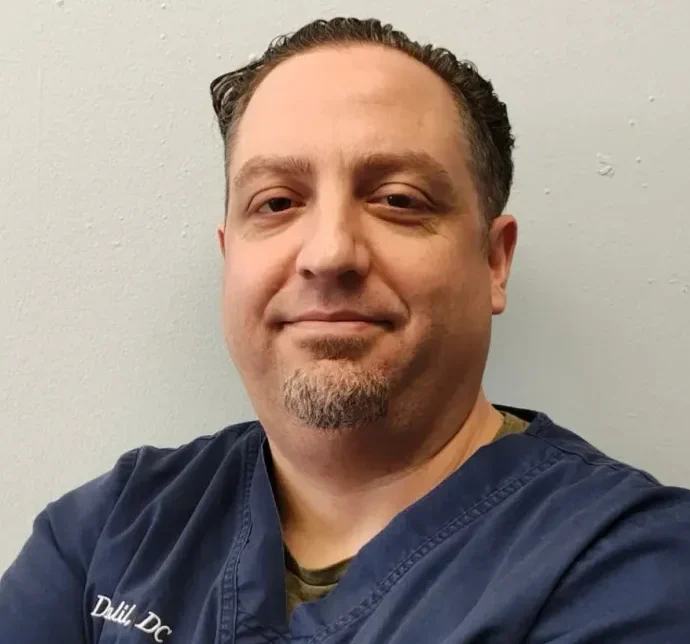
Herniated discs can make simple things like sitting, driving, or sleeping feel impossible, and flare ups often keep coming back if the root cause is not addressed. At True Chiropractic Bellevue, Dr. Jordan Kalil, DC, MS in Sports Medicine, provides conservative, non-surgical, medication-free care that focuses on why the disc is irritated in the first place, not just masking pain. He often sees disc issues at common levels in the low back like L4-L5 and L5-S1, especially when there has been repetitive lifting, sitting, or past injuries. Each plan is personalized after a careful exam. If you are looking for herniated disc treatment in Bellevue, WA, schedule an evaluation so you can finally understand what is going on and get a clear, step by step plan.
What is a Herniated Disc?
Between each bone in your spine sits a disc, which works like a shock absorber. A herniated disc happens when the softer center of the disc pushes or leaks outward, irritating nearby joints or nerves. This is sometimes called a slipped disc, although the disc does not truly “slip” out of place.
You might also hear related terms:
- Bulging disc or protrusion – the disc edges press outward but the outer wall is still intact
- Herniation – disc material breaks through a weakened area of the outer wall
- Prolapse or “slipped disc” – a larger herniation that may put more pressure on nerve roots
Dr. Kalil evaluates whether your symptoms are coming from a bulging disc, a true herniation, or another structure, so your bulging disc treatment is tailored rather than generic.
Symptoms of Herniated Disc
Disc problems in the neck or low back can show up in many ways. Some people have a deep, sharp ache in one spot. Others feel radiating pain that follows a nerve. Common symptoms Dr. Kalil sees include:
- Local neck or low back pain that may spread into the shoulder, arm, hip, or leg
- Sciatica type pain – sharp, burning, or shooting pain down the back of the leg
- Numbness, tingling, or “pins and needles” into the arm, hand, leg, or foot
- A feeling of weakness, trouble standing up straight, or difficulty lifting objects
- Pain that is worse with sitting, bending, coughing, sneezing, or transitional motions like sit to stand
- Difficulty sleeping or finding a comfortable position, especially after a long day
Symptoms can range from annoying to severe. Even if they “come and go,” they can point to ongoing irritation that is worth checking before it becomes more frequent.
Diagnosis of Herniated Disc
Dr. Kalil starts with a detailed conversation about your story – when the pain began, what makes it better or worse, what your daily activities look like, and any past injuries or red flag symptoms. This helps him understand whether a disc, joint, muscle, or nerve is most likely involved.
Next comes a focused exam that may include:
- Range of motion testing to see which directions are stiff, painful, or limited
- Orthopedic tests to stress specific joints and disc areas
- Neurological checks such as sensation, strength, and reflexes
- Nerve tension tests for sciatica type symptoms
- Posture and movement assessment, including how you bend, lift, or sit
If needed, on site X rays can act like a “blueprint” to see spinal alignment and rule out serious structural problems. When signs point to a more complex herniation, he may refer for MRI or medical co management. At the end, Dr. Kalil reviews the findings in plain language and walks you through the next steps.
Chiropractic Care Treatment for Herniated Disc
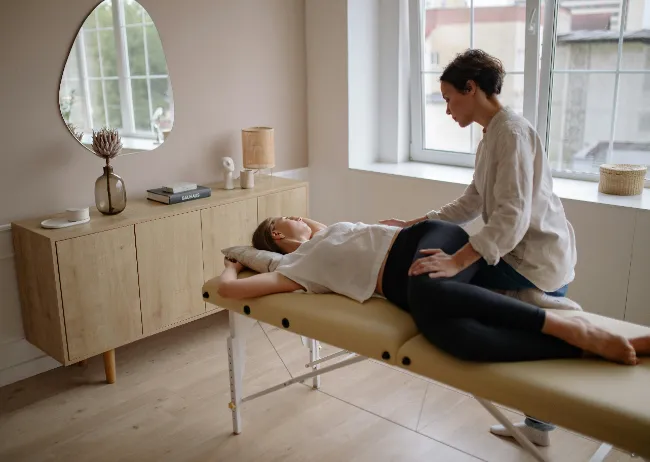
As a chiropractor for herniated disc cases, Dr. Kalil uses a combination of hands-on care and active rehab tailored to your comfort level and goals. Treatment options may include:
- Gentle spinal adjustments (diversified, Thompson drop, Gonstead style, or activator) to improve joint motion without forcing painful positions
- McKenzie based therapy that uses specific repeated movements to reduce disc and nerve irritation, especially for L4-L5 disc bulge and L5-S1 herniation patterns
- Mobilizations when a full adjustment is not appropriate or you prefer a lighter approach
- Soft tissue care such as Active Release Technique (ART), massage style work, or cupping around tight, overworked muscles
- Targeted exercises to stabilize your core, hips, and surrounding areas so the disc is better supported
- Education on lifting technique, desk setup, and activity modifications
Non-surgical herniated disc care is always paced to your tolerance, with no promise of overnight fixes and room to adjust the plan as your body responds.
How long does it take to give results?
Recovery timelines with disc injuries are very individual. Some patients notice early changes such as less sharp pain, easier transitions from sitting to standing, or better sleep within the first couple of weeks of consistent care. Others with longer standing or more severe herniations may progress more gradually.
In general:
- Short term goals often focus on reducing flare intensity and improving basic movements
- Intermediate goals aim to restore strength, endurance, and tolerance for sitting, walking, or lifting
- Longer term goals center on preventing frequent setbacks through ongoing exercise and habit changes
Factors like how long the problem has been present, your daily workload, other health issues, and how consistently you do home exercises all play a role. Dr. Kalil sets realistic milestones with you so you know what to watch for, without making guarantees.
What are long term consequences of not getting treated
Ignoring disc related pain and hoping it will simply disappear can sometimes lead to more complicated issues over time. Potential consequences include:
- More frequent and intense flare ups that last longer
- Continued irritation of nearby nerves, which can increase numbness, tingling, or weakness in the arm or leg
- Guarded, stiff movement patterns that overload other areas like the hips, knees, or upper back
- Reduced ability to sit, drive, work, exercise, or care for family without worrying about your “bad back” acting up
- Sleep disruption and fatigue that affect mood and focus
Serious symptoms such as loss of bowel or bladder control, rapidly progressing weakness, or significant trauma need immediate medical attention. For most people, though, an early evaluation gives clarity, lowers anxiety, and makes it easier to get in front of the problem rather than chasing flare ups.
Patient Testimonials
One common case involves an office worker in their 40s who developed sudden, severe low back pain after a weekend of moving and lifting. The pain started when they picked up a heavy box and could not stand up straight afterward. They struggled to sleep, drive, and sit at their desks for more than a few minutes.
During the exam, Dr. Kalil found clear signs of a disc related problem in the lower lumbar region. X rays helped rule out more serious structural concerns. The care plan included McKenzie style extension work, gentle spinal adjustments, soft tissue treatment, and basic core and hip stabilization exercises, two to three times per week at first.
Within a couple of weeks, the patient was walking, sleeping, and working with far less pain. Continued visits focused on progressing exercises, improving lifting technique, and home care such as brief walks, short breaks from sitting, and specific mobility drills to help keep future flare ups in check. Results vary, but this is a typical journey.
Causes of Herniated Disc
Herniated and bulging discs usually come from a mix of everyday habits and specific stressors rather than a single event. Common contributing factors include:
- Repetitive bending, lifting, or twisting, especially with poor technique
- Prolonged sitting with a rounded low back or slouched posture
- Previous injuries to the spine or hips that were never fully addressed
- General deconditioning, weak core and hip muscles, and limited mobility
- Normal age related changes in the disc’s water content and resilience
For some people, a simple movement like picking up a bag is just the “last straw” on a disc that has been under stress for years. Part of your plan with Dr. Kalil is understanding which of these factors applied to you and how to change them going forward.
Home care tips for flare-ups
Home care is not a replacement for a proper exam, but it can help you get through a flare more comfortably. In general, Dr. Kalil often recommends:
- Short, frequent walks instead of long periods of bed rest
- Finding positions of relief, such as supported lying on your back or side with pillows
- Brief use of ice in the first 24 to 48 hours, then alternating with light heat if it feels better
- Avoiding heavy lifting, deep bending, or twisting while symptoms are sharp
- Taking micro breaks from sitting every 20 to 30 minutes to gently change position
- Doing only the specific movements or exercises you have been given in clinic
If home strategies do not touch the pain, or you notice worsening numbness or weakness, it is important to get evaluated rather than pushing through.
Book An Appointment
Please use the booking tool below to book an appointment or by calling us on (425) 224-5533
FAQs
Is all leg pain from a disc a true sciatica?
Not always. Nerves can be irritated by joints, muscles, or even entrapment along their path. Dr. Kalil checks the full chain from low back to hip, knee, and ankle before deciding if your pain is classic sciatica or something else.
Can I have a herniated disc even if I “didn’t do anything”?
Yes. Many herniations develop over time from repetitive stress, sitting, or old injuries. A small movement may simply reveal a problem that has been building quietly in the background.
Will I always need chiropractic care once I start?
No. The goal is to move you from relief to independence with the right exercises, movement habits, and check-ins only as needed to keep you on track.
Is this just aging, or can it improve?
Age related changes are real, but that does not mean you are stuck. Many patients see meaningful improvement in pain, strength, and function when the plan targets their specific triggers and weaknesses.
Does insurance cover herniated disc treatment with a chiropractor?
Many plans do offer coverage for chiropractic and rehab services. Our team can help you check your benefits so you know your options before starting care.
Content Reviewed by