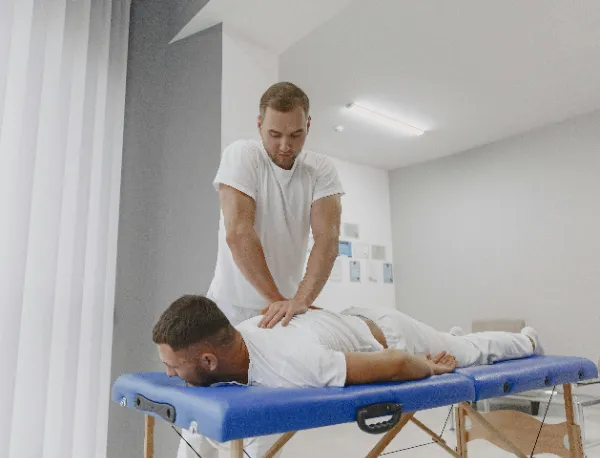
Massage Therapy in Bellevue, WA
When your muscles stay tight and achy, everything feels harder. Even simple movement can feel like a chore. Massage therapy at True Chiropractic Bellevue is designed to work alongside your chiropractic care. The goal is to help your body relax and move better again.
Dr. Jordan Kalil and the team use focused, hands-on techniques. These techniques ease tension, calm stress and improve body function with non-invasive care. Massage can improve flexibility and support faster recovery after activity. It can also help your nervous system settle down.
If you want natural care that supports better movement, massage therapy could be an important part of your plan.
What is Chiropractic Massage Therapy?
Chiropractic massage therapy blends targeted massage techniques with a chiropractic view of how your spine, joints, and nervous system work together. Adjustments focus on improving how your joints move. Massage focuses on the soft tissues that support those joints, like muscles, tendons, and fascia. When both are addressed, your body usually has an easier time holding healthy posture and moving without constant tension.
In this integrative style of care, massage therapy is not just “a nice extra.” It is used intentionally to prepare muscles for an adjustment, to help tight areas let go afterward, and to support the nervous system in shifting out of a stressed, guarded state. That is why many patients pair massage with chiropractic visits. It becomes part of an overall, holistic plan to reduce pain, improve mobility, and help your body actually feel safe enough to heal.
Benefits of Massage Therapy
Massage therapy in Bellevue, WA can support your health in a lot of very real ways. For many patients, the first win is simply feeling their shoulders drop and their breathing slow down. Over time, consistent sessions can help:
- Relieve muscle spasms and calm stubborn knots that keep coming back.
- Reduce overall muscle tension so joints are not constantly pulled out of position.
- Improve flexibility and range of motion, especially in chronically tight areas.
- Decrease swelling and support tissue healing after overuse or minor injuries.
- Enhance circulation and support immune function so your body can recover better.
- Lower stress levels, improve mental clarity, and promote deeper relaxation.
These changes often translate into better sleep, more comfortable workdays, smoother workouts, and less background pain. Massage therapy can also make your chiropractic adjustments feel easier and last longer, since the muscles are not fighting against the new movement.
Types of Massage Therapy
At True Chiropractic Bellevue, massage is tailored to how your body feels that day and what your goals are. Sessions may include:
- Relaxation-focused massage – Uses smooth, flowing strokes to help your nervous system unwind and release general tension.
- Therapeutic / deep-pressure work – Targets specific tight spots and deeper layers of muscle for long‑standing tension or old injuries.
- Sports-focused massage – Aims at muscle groups you rely on for training to improve recovery and help prevent overuse issues.
- Neck and shoulder–focused massage – Zeros in on upper‑body tension linked to desk work, driving, and tech posture.
- Low back and hip work – Addresses stiffness and muscle guarding that often show up with sitting or lifting.
- Prenatal‑friendly techniques – Uses gentle pressure and supported positions to help ease pregnancy‑related discomfort safely.
- Myofascial and trigger point work – Applies precise pressure to stubborn knots and restricted areas to improve mobility.
Conditions treated by Massage Therapy
Massage therapy can support a wide range of concerns, especially when muscles are tight, overworked, or guarding painful joints. Common situations where people see benefits include:
- Back and neck pain related to posture, stress, or old injuries.
- Shoulder, hip, or knee discomfort from repetitive movements, sports, or daily life.
- Headaches and tension‑type migraines linked to tight neck, jaw, and shoulder muscles.
- Stress, anxiety, and trouble relaxing that show up as constant body tension.
- Muscle stiffness and soreness after workouts, physical jobs, or long periods of sitting.
- Recovery after sprains, strains, or minor injuries once it is safe to work on the tissues.
- Pregnancy‑related back, hip, and leg discomfort where gentle, supportive work can ease the load.
Massage therapy does not replace medical care when something serious is going on, but it can be a powerful part of your overall plan to feel and move better.
Massage Therapy Treatment Plan in Bellevue, WA
Your massage therapy journey at True Chiropractic Bellevue starts with a simple conversation. You and your provider talk through where you hurt, what your day looks like, past injuries, stress levels, and what you want out of care. If you are also seeing the chiropractor, that information is combined so everyone is on the same page.
From there, a plan is built around:
- Frequency. You might start with weekly sessions for more intense pain or muscle tension, then move toward less frequent “maintenance” visits once things calm down.
- Session length. Many people do 60‑minute sessions, but shorter or longer visits may be recommended depending on how many areas need attention.
- Techniques used. Pressure level, focus areas, and specific approaches are chosen based on your comfort and goals, and may change visit to visit.
- Integration with chiropractic. Massage might be scheduled before or after an adjustment to maximize the benefits of both.
- Home support. You may get simple stretches, posture tweaks, or hydration tips to help your body hold the benefits between sessions.
The entire vibe is collaborative. You are encouraged to speak up about pressure, positions, and how your body feels so the plan always fits you.
Long-Term Consequences of Ignoring Muscular Tension & Pain
It is easy to shrug off tight muscles or “normal” aches, but leaving them alone long term can cause issues. When certain areas stay tight, your body starts to cheat and use other muscles to get basic movements done. Over time, that can mean:
- Stiffness that makes everyday tasks feel harder.
- Compensated posture, like rounded shoulders or a constant forward head.
- Extra stress on joints, which may lead to more frequent flare ups.
- More headaches, shallow breathing, and general fatigue.
Chronic tension also keeps your nervous system in a low‑key fight‑or‑flight mode, which can add to stress and poor sleep. Getting ahead of it with massage therapy and good habits is usually way easier than waiting until you are completely burnt out and hurting everywhere.
At‑Home Care & Immediate Relief
Massage therapy works best when it is paired with simple things you do on your own. Between sessions, you can support your body by:
- Doing gentle stretching or mobility drills, especially for areas that tend to lock up.
- Staying hydrated and eating balanced meals so your tissues have what they need to recover.
- Using heat for general muscle tightness or alternating heat and ice for newer aches.
- Taking posture breaks during work to reset your shoulders, neck, and low back.
- Practicing basic relaxation techniques, like slow breathing, short walks, or light movement before bed.
None of these are meant to replace care, but they can make your results from massage therapy last longer and feel more stable.
Real Patient Wins — Case Studies
Case 1 – Desk worker with chronic neck and shoulder tension
A tech professional in Bellevue came in with constant neck and shoulder tightness, afternoon headaches, and trouble turning off their brain at night. They sat most of the day and often worked late on a laptop. Their plan combined weekly chiropractic massage focused on the neck, upper back, and chest with occasional adjustments to improve joint motion. Over several weeks, their headaches faded, their neck felt freer, and they noticed fewer “stress spikes” during work. With added posture breaks and simple stretches, they maintained those gains with less frequent sessions.
Case 2 – Weekend athlete with low back tightness
A weekend soccer player reported nagging low back tension that flared after games and long drives. Exam showed tight hip and low back muscles plus some stiffness in the joints of the lower spine. Their treatment included focused massage therapy for hips and low back, along with mobility and activation work recommended by the chiropractor. After a month of regular sessions, they could play without the usual post‑game stiffness, and getting in and out of the car stopped being a big production. Maintenance visits kept their back feeling more resilient.
Case 3 – Prenatal patient with hip and leg discomfort
A patient in her second trimester was dealing with one‑sided hip, glute, and thigh tightness that made sleep uncomfortable. Prenatal‑friendly massage sessions used gentle pressure, side‑lying positions with extra support, and careful work around the hips and low back. Techniques were always cleared with her obstetric provider. Over time she reported less nighttime discomfort, fewer muscle cramps, and a smoother transition in and out of bed. Light home stretches and breathing work helped extend the relief between sessions.
Equipment & Tools Used
Massage therapy at True Chiropractic Bellevue focuses on comfort and practical results. Typical tools and setup include:
- Professional massage tables with adjustable height and cushioned face cradles so you can relax in supported positions.
- Supportive bolsters and pillows to reduce strain on your low back, hips, and shoulders, especially in pregnancy or after injuries.
- High‑quality lotions or oils that let the therapist work smoothly without irritating your skin.
- Hot or cold packs when appropriate to help warm up tight muscles or calm irritated areas.
- Soft tissue tools for myofascial or trigger point work when a more focused approach is helpful.
Everything is chosen to make your session feel safe, comfortable, and aligned with your treatment goals.
Reviews About Massage Therapy in Bellevue, WA
“The massage and chiropractic combo at True Chiropractic Bellevue has been huge for my neck and shoulder tension. I walk out feeling lighter and can actually get through a workday without that 3 p.m. headache.”
“I came in for low back pain from lifting and sitting. The therapist listened, focused on the right spots, and worked with the chiropractor’s plan. I’m back to the gym with way less stiffness.”
“Super calming environment and very professional. The massage helped my stress and sleep more than I expected, and my posture is noticeably better.”
“Pregnancy made my hips so sore. The prenatal‑style massages were gentle but effective, and I always felt supported and safe during each visit.”
Why Choose True Chiropractic Bellevue
Choosing where to go for massage therapy in Bellevue, WA matters. At True Chiropractic Bellevue, massage is not treated like a stand‑alone spa service. It is integrated into a larger care plan that can include chiropractic, rehab exercises, and lifestyle support when needed. Sessions are tailored to your body, your pain levels, and your goals, not a generic routine.
Dr. Jordan Kalil and the team prioritize clear communication, comfort, and realistic expectations. You are encouraged to share what feels good, what does not, and how your body responds over time. The goal is simple. To give you non‑invasive, medication‑free options that genuinely help you feel and move better in your everyday life.
Book An Appointment
Please use the booking tool below to book an appointment or by calling us on (425) 224-5533
FAQs - Massage Therapy
Does massage therapy hurt?
Most people find massage therapy relaxing, even when deeper pressure is used. You might feel mild soreness when a tight area is being worked, but it should feel like “good pressure,” not sharp or unbearable pain. Your therapist will check in about comfort levels and adjust the pressure, techniques, or positioning so the session stays safe and productive for your body.
How long do massage benefits last?
It depends on your stress levels, activity, and how long the problem has been around. Some people feel looser and calmer for several days, while others notice that regular sessions create more lasting changes in posture, pain levels, and sleep. The more you combine massage with smart habits like stretching, hydration, and movement, the longer your results usually stick around.
How often should I get massage therapy?
Frequency is based on your specific situation. If you are dealing with chronic tension or pain, weekly sessions for a few weeks can be helpful at first. Once things calm down, many patients move to every few weeks or monthly for maintenance. Your provider will talk through what makes sense for your schedule, budget, and goals instead of pushing a one‑size‑fits‑all plan.
Is massage therapy safe during pregnancy?
Prenatal‑friendly massage is generally considered safe when done by trained practitioners who understand pregnancy positioning and precautions. It is still important to clear massage with your OB/GYN or midwife, especially if you have a high‑risk pregnancy or specific medical concerns. At the clinic, extra pillows and careful techniques are used to keep you comfortable and supported.
Will insurance cover massage therapy?
Coverage for massage therapy varies widely between plans. Some policies cover massage when it is part of a treatment plan under a provider, while others treat it as an out‑of‑pocket service. The best move is to check your individual benefits or contact your insurer for details. The clinic team can often help you understand how massage fits into your overall care options.
Content Reviewed by