Numbness and Neuropathy Treatment in Bellevue, WA
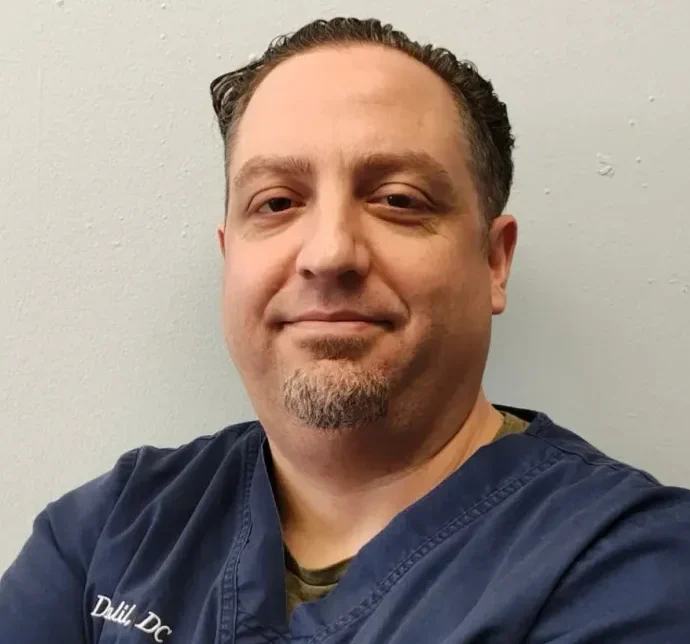
Living with numbness, tingling or “pins and needles” can be frustrating and a little scary. At True Chiropractic Bellevue in Bellevue, WA, Dr. Jordan Kalil, DC offers a conservative, movement-focused approach to nerve related problems. Drawing on detailed histories, movement exams, and hands-on care, he looks for where nerves are irritated or compressed and works to restore healthier motion so the body can calm down and heal.
This page explains what numbness and neuropathy can mean, how chiropractic care can help, and what to expect if you choose our clinic for support.
What is Numbness and Neuropathy?
When people talk about numbness and neuropathy, they are usually describing a problem with how a nerve is working. Nerves carry both sensation and muscle control. If they become irritated, compressed, or overly sensitive, you can feel tingling, buzzing, burning, or even weakness along the path of that nerve.
In the lower body, for example, nerves from the L4 and L5 levels in the low back join together to form the sciatic nerve. That nerve is both sensory and motor. If it becomes irritated at the spine or gets trapped between tight muscles, it can send numbness and tingling down the leg.
At True Chiropractic Bellevue, we look at numbness and neuropathy as signs that something in the system is overloaded. The goal is to find where that overload is happening and restore motion, strength, and balance so the nerve can calm down.
Signs and Symptoms
Numbness and neuropathy do not look the same for everyone. Some people feel a faint tingling that comes and goes. Others feel sharp, intense pain or weakness that makes walking, sleeping, or working difficult. Often, the sensations follow a line from the spine down into an arm or leg, matching the path of the irritated nerve.
Common signs and symptoms include:
- Numbness, tingling, or “pins and needles” that run from the low back into the buttock, thigh, leg, or foot, sometimes stopping around the back of the knee.
- Burning or sharp pain down one side of the leg that flares with sitting, driving, bending, or getting up and down from a chair repeatedly.
- A sense of weakness or heaviness in the leg or foot so it feels harder to walk normally, climb stairs, or carry weight without discomfort.
- Symptoms that are worst in the morning or after being still, then ease a bit once you move, yet never fully settle or feel “normal” again.
- Pain or tingling that interferes with work, driving, or sleep, making it difficult to sit at a desk, do groceries, or rest comfortably at night.
Common Causes
Numbness and neuropathy often start with how the spine, joints, and muscles are handling everyday stress. Over time, repeated positions, heavy lifting, or past injuries can irritate discs and nerves. When a nerve root or the nerve itself becomes too sensitive, it can start sending signals like tingling, burning, or weakness into the limb.
Common contributors include:
- Disc irritation or injury in the low back or neck that stresses the nerve roots, like the discogenic low back case with flattening seen on X-ray.
- Nerve entrapment between tight muscles along its path, such as deep hip muscles or hamstrings that squeeze the nerve and keep it overly active.
- Long hours of sitting, bending, or lifting without breaks, especially in desk jobs or moving days, that repeatedly load the same joints and discs.
- Repetitive activities such as eight to ten hour computer or phone shifts, which overload the neck and mid-back and can trigger nerve-related symptoms.
- Previous injuries or accidents that were never fully addressed, like old spinal or jaw injuries, which change how you move and load your nervous system.
What to Expect for Numbness and Neuropathy Treatment
Your visit at True Chiropractic Bellevue starts with a thorough conversation. Dr. Kalil will ask how your symptoms started, what your day looks like, which activities aggravate or relieve your numbness, and how it affects sleep, work, and movement. This subjective history helps outline how your nerves and joints are behaving in real life.
Next comes a detailed exam. This may include:
- Range of motion testing to see where joints are stiff or guarded.
- Orthopedic and muscle tests to check whether symptoms are disc, joint, or muscle related.
- Specific tests that compare which motions increase or ease the tingling or weakness.
- X-rays when appropriate, used as a “blueprint” of your spine to rule out red flags and understand structure.
Based on these findings, Dr. Kalil builds a plan. For more intense nerve-related pain, patients are often seen two to three times per week for the first couple of weeks, then less often as symptoms calm and strength improves.
Treatment focuses on restoring motion where it is lacking, relaxing overworked tissues, and reinforcing changes with exercises so improvements last.
Long-Term Effects of Ignoring It
Numbness and neuropathy are not just annoying sensations. They are your body’s way of saying something in your system is under too much stress. When that message is ignored, the underlying problem can grow, leading to more intense flare ups and more limits on what you can do day to day.
Possible long-term effects of leaving symptoms unchecked include:
- More frequent and severe pain episodes over time, often triggered by smaller movements, which can gradually limit work, exercise, and daily activities.
- Persistent weakness or fatigue in the affected limb, making it harder to trust your body when lifting, going up and down stairs, or walking long distances.
- Protective muscle tightness and compensation, where other regions work overtime, leading to new problems in the hips, knees, or opposite side of the body.
- Increased time away from work, sport, or active duty, as in the military case where nerve pain was severe enough to pull the patient off active status.
- Sleep disruption and mood changes, as ongoing pain or tingling makes it harder to rest deeply and stay focused and positive during the day.
How Our Chiropractors Help with Numbness and Neuropathy
Dr. Kalil’s approach at True Chiropractic Bellevue is hands-on, active, and individualized. He does not just chase where you feel numbness. He looks at how your whole system is moving and which joints or tissues are overworking or underworking.
Care plans for numbness and neuropathy may include:
- Chiropractic adjustments and mobilizations to restore motion to restricted joints in the spine, hips, or other areas above and below the irritated nerve path.
- McKenzie-style therapy using specific, repeated movements such as targeted extensions to reduce disc pressure on nerve roots and find positions that calm symptoms.
- Soft tissue techniques like Active Release Technique, massage-style work, cupping, and other muscle release methods to free tight tissues that are trapping or irritating nerves.
- Stabilization and strengthening exercises that shift work away from the irritated area and into the core, hips, and supporting muscles so your system shares the load better.
- Therapeutic tools such as laser and shockwave therapy when appropriate, used to calm stubborn irritation and support tissue healing in more chronic or intense cases.
Throughout care, education is a big focus. You learn which movements help, which ones to modify for now, and which home exercises can give you some control on tough days.
Case Study
One memorable case that illustrates this approach involved an active-duty military member with severe nerve-related pain. Their pain started in the low back on the left, then shot all the way down to the bottom of the foot. It was worst in the morning, during driving, and with any bending or transition from sitting to standing. Walking hurt, and the pain was so intense they were pulled off active duty.
Advanced imaging showed irritation of both the sciatic nerve and the low back disc. In the first two weeks at the clinic, they were seen three times per week. Treatment focused on McKenzie extension work to shift pressure off the nerve, adjustments that opened the irritated disc region, and massage to relax the entire left side from back to lower leg. Core exercises were added so the hips and core could share the workload instead of the back doing everything. A small amount of shockwave therapy was used to help calm persistent pain.
Their pain dropped from nine out of ten to the two-to-three range within a couple of weeks. With continued exercise progression and regular checks, they eventually returned to activity without the sharp, radiating pain that had limited every part of life.
Book An Appointment
Please use the booking tool below to book an appointment or by calling us on (425) 224-5533
Content Reviewed by