Osteoarthritis Treatment in Bellevue, WA
Osteoarthritis is a joint condition where the smooth cartilage that cushions bones gradually wears down. As that protection thins, bones can rub together, leading to stiffness, swelling, and pain that makes everyday movement harder.
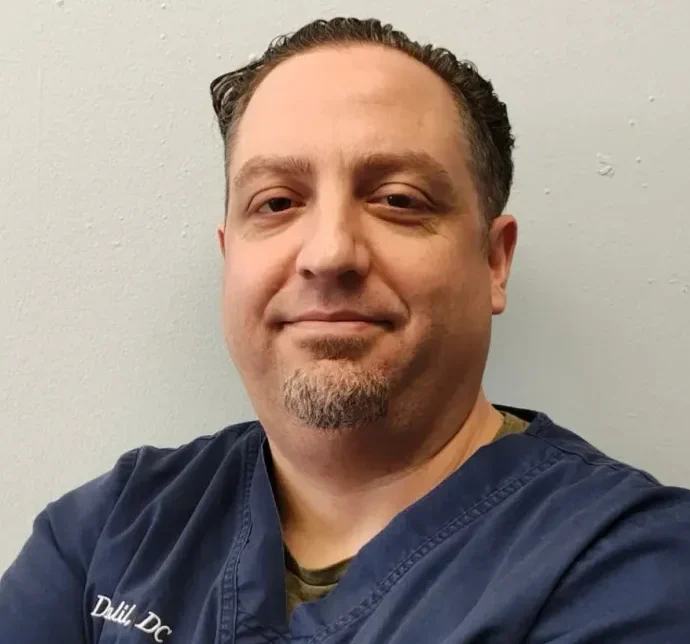
At True Chiropractic Bellevue, Dr. Jordan Kalil, DC provides non-surgical, medication-free care focused on improving joint motion and surrounding muscles. He commonly helps people with knee, hip, spine, and hand osteoarthritis stay active and capable.
Each patient receives a thorough evaluation and a customized plan that feels practical and achievable. If joint pain is starting to limit you, this page will help you understand what’s going on and how chiropractic can support long-term mobility.
What is Osteoarthritis?
Osteoarthritis (OA) is the most common form of arthritis. It occurs when protective cartilage in a joint breaks down faster than the body can repair it. Without enough cartilage, bones have less cushioning and begin to grind, causing pain, swelling and restricted motion. OA can affect any joint, but Dr. Kalil most often sees it in the knees, hips, hands and spine. Early symptoms may come and go and might be dismissed as “just getting older,” yet untreated wear tends to progress and can lead to more frequent flare‑ups, limited range of motion and joint deformity. Dr. Kalil emphasises that osteoarthritis isn’t just part of aging?; it often develops after an injury, from repetitive strain or because of alignment issues. During your visit, he looks for these contributors and explains how they may be impacting your joints so you can work together on a practical plan.
What kind of symptoms do you see
Osteoarthritis doesn’t always feel the same for everyone, but certain patterns are common. In the clinic, Dr. Kalil often hears about the following:
- Joint pain – an aching or sometimes sharp discomfort in the hands, hips, knees, neck or lower back that may worsen at the end of the day or after activity.
- Stiffness and cracking – joints may feel stiff when you first wake up or after sitting still, and may produce a crackling or grinding sensation when moving.
- Swelling and warmth – the joint can become slightly swollen and warm to the touch due to inflammation.
- Tenderness – pressing around the joint can be uncomfortable or sore.
- Difficulty with movement – knee or hip OA can make walking, climbing stairs or getting out of a chair challenging.
- Instability or weakness – some people feel that the joint may “give out,” especially after prolonged use or when carrying weight.
Dr. Kalil carefully listens to your description of symptoms, noting when and how they occur. He pays attention to whether pain flares with particular activities, at certain times of day or during changes in weather. This personalised understanding helps him tailor your diagnosis and plan.
How do you diagnose osteoarthritis
Diagnosis begins with a conversation about your symptoms. Dr. Kalil asks when the pain started, what makes it worse, and what makes it easier. He reviews your medical history, past injuries, and daily activities.
A physical exam follows. He looks at how you stand and walk. He checks joint motion, strength, and areas of tenderness or swelling. Orthopedic tests help identify whether the pain comes from the joint, soft tissues, or nerve irritation.
If osteoarthritis is suspected, he may recommend X-rays or an MRI to confirm cartilage changes or bone spurs. He can also coordinate with your primary doctor or a specialist if needed.
Once the evaluation is complete, Dr. Kalil explains the findings in plain language and outlines your options for conservative care.
What kind of treatments do you provide
Osteoarthritis management at True Chiropractic Bellevue focuses on relieving pain, improving joint mechanics and enhancing overall function without surgery or medications. Dr. Kalil builds customised plans that may include:
- Chiropractic adjustments and mobilisations – gentle, targeted movements to restore proper joint alignment and mobility, reducing mechanical stress on cartilage.
- Soft‑tissue techniques – massage and myofascial release to ease muscle tension, improve circulation and support joint motion.
- Strengthening and mobility exercises – Dr. Kalil prescribes simple movements to build stability around the joint and increase flexibility, which you can perform at home or between visits.
- Posture and ergonomic modifications – advice on how to sit, stand and move to reduce repetitive strain on affected joints and improve biomechanics.
- Natural modalities – he may suggest heat therapy, such as warm compresses, to decrease stiffness, or ice packs to reduce swelling after activity. He sometimes recommends Epsom salt baths or supportive braces for additional comfort.
Your treatment frequency and progression depend on how your body responds. Dr. Kalil monitors your progress closely and adjusts the plan to ensure you feel supported and comfortable at every step.
How long does it take to give results
Recovery timelines vary for everyone. Some people notice small changes early on. This may include less stiffness in the morning or easier movement. Bigger improvements take more time. Flexibility, strength, and endurance usually build over weeks or months.
Progress depends on several factors. These include how long symptoms have been present, the joint involved, lifestyle habits, and consistency with care. Dr. Kalil sets realistic goals and adjusts the plan as you go. The focus is steady progress and long-term improvement.
What are long term consequences of not getting treated
Ignoring osteoarthritis usually allows it to progress. As cartilage wears down, pain and stiffness often become more frequent and noticeable. Swelling and reduced motion can make everyday tasks — like stairs, bending, or gripping — harder to manage.
When joints don’t move well, muscles and ligaments can weaken, increasing the risk of instability and falls. The body may also compensate by shifting stress to other joints or the spine, creating new problems over time.
Long-standing, advanced OA may contribute to joint deformity or significant mobility changes. Early, conservative care can help maintain function, support strength around the joint, and keep you moving with more confidence as the years go on.
Case Study
Dr. Kalil recently worked with a 63‑year‑old avid gardener who developed hip osteoarthritis after years of bending and kneeling. She began feeling a deep ache in her right hip that worsened after working in the yard or sitting for long periods. During her exam, Dr. Kalil noted limited hip rotation, tenderness over the joint and subtle pelvic misalignment. He diagnosed early‑stage OA and designed a conservative plan: gentle hip and low‑back adjustments to improve alignment, soft‑tissue work for tight hip flexors and gluteal muscles, and simple strengthening exercises for the core and hip stabilisers. He also recommended applying a warm compress before gardening and an ice pack afterward, plus short daily walks to keep joints mobile. Within six weeks of twice‑weekly visits and diligent home exercises, she reported less pain, better range of motion and the ability to garden longer without discomfort. She now comes in monthly for maintenance and continues her home routine to sustain these gains.
Causes of osteoarthritis
Several factors can increase the risk of osteoarthritis. Age is a major one — cartilage naturally wears down over time. Genetics matter too; a family history of OA can raise your chances. Women are more likely than men to develop OA after age 50.
Previous injuries or repetitive strain from work or sports can speed up cartilage damage. Excess weight puts more stress on knees and hips. Poor alignment or weak muscles can also place uneven pressure on joints.
Dr. Kalil looks at these factors during your evaluation and helps you make lifestyle changes that may slow progression and protect your joints.
How can a chiropractor help with osteoarthritis
Chiropractic care is a conservative option for managing osteoarthritis and supporting joint health. Dr. Kalil focuses on improving how the joints move and how the surrounding muscles support them.
Gentle adjustments and mobilizations can restore motion and reduce extra stress on the joint. Soft-tissue techniques help relax tight muscles that add to discomfort. Strength and flexibility exercises improve stability so joints can handle movement more evenly.
Posture and ergonomic guidance reduce repeated strain during work and daily tasks. When helpful, Dr. Kalil may recommend heat, cold, or low-impact activities like walking or swimming to maintain mobility.
Chiropractic care can work alongside medical treatment when needed, offering a natural approach that helps you stay as active and capable as possible.
Natural treatments for osteoarthritis
Along with chiropractic care, Dr. Kalil recommends simple habits that support joint health.
- Warm packs can ease morning stiffness. Ice after activity can reduce swelling. Epsom salt baths may help calm muscle tension.
- Staying active matters. Low-impact exercise — like walking, swimming, cycling, or gentle yoga — keeps joints moving without extra stress. Maintaining a healthy weight reduces pressure on hips and knees.
- Supportive shoes or braces can improve stability. Small ergonomic changes at work or home can make movement easier. Proper hydration and balanced nutrition help tissues repair.
These strategies complement hands-on care and give you an active role in protecting your joints day to day.
Book An Appointment
Please use the booking tool below to book an appointment or by calling us on (425) 224-5533
FAQs - Osteoarthritis Treatment
Can chiropractic care help osteoarthritis pain?
Chiropractic care can relieve osteoarthritis symptoms by improving joint motion, decreasing muscle tension and enhancing biomechanics. It does not cure OA, but it offers a conservative way to manage discomfort and maintain function. Dr. Kalil tailors care to each patient’s needs and collaborates with medical providers when necessary.
What exercises are safe for osteoarthritis?
Low‑impact exercises like walking, swimming, cycling and tai chi are generally safe and help keep joints mobile. Dr. Kalil also recommends gentle range‑of‑motion and strengthening exercises specific to the affected joint. He guides you on how to progress safely and avoid overloading the area.
Does insurance cover chiropractic treatment for osteoarthritis?
Coverage varies, but many health insurance plans—especially those that recognise the cost‑effectiveness of conservative care—cover chiropractic visits for osteoarthritis. It’s best to check your specific policy for details. Dr. Kalil’s team can assist with insurance questions and provide documentation if needed.
Is osteoarthritis just a part of aging?
While aging increases the risk of osteoarthritis, the condition also arises from factors like previous injuries, genetics, weight, repetitive strain and joint misalignment. Addressing these factors and seeking early care can help slow progression and improve quality of life.
Is osteoarthritis hereditary?
Osteoarthritis can have a genetic component; certain gene mutations may predispose someone to develop OA. However, lifestyle and environmental factors play significant roles too. Even if you have a family history, maintaining joint health through proper movement and weight management can make a difference.
Content Reviewed by