Spinal Adjustment in Bellevue, WA
If your back, neck, or shoulders have been yelling at you lately, you are not alone. Long hours at a desk, old sports injuries, or “sleeping weird” can all add up. At True Chiropractic Bellevue in Bellevue, WA, chiropractor Dr. Jordan Kalil offers gentle, precise spinal adjustment in Bellevue to help restore normal motion, reduce pain, and get you moving with confidence again. Care is hands-on, movement-focused, and medication‑free, with plenty of time for questions.
If you are curious whether chiropractic could help your back or neck pain, this page walks you through what actually happens, why people love adjustments, and how to get started.
What Is a Spinal Adjustment?
A spinal adjustment, also called spinal manipulation, is a therapeutic treatment where a licensed chiropractor uses their hands or a small instrument to apply a quick, controlled force to a joint in your spine. The goal is to restore normal motion and alignment so your body does not have to compensate and overload other areas. This can reduce pain and improve how you move and function overall.
During an adjustment, the joint is gently moved a bit beyond its usual range for a split second to “unlock” stiffness and help realign the vertebrae. Gas in the joint can release, which is why you might hear a pop or click. That sound is not bone grinding, it is just pressure changing inside the joint. This process is typically comfortable and many people feel immediate relief or a sense of lightness in the area.
Research suggests that spinal manipulation can be a solid option for many people dealing with low back and neck pain. It also often fits nicely alongside physical therapy, massage, or medical care instead of replacing them.
Why Do People Need Spinal Adjustments?
People usually do not wake up one day with pain “out of nowhere.” As Dr. Kalil would explain, it is often weeks, months, or years of your body moving in ways it does not love: sitting in one position all day, lifting with your back instead of your hips, or compensating for an old ankle or shoulder injury. Over time, joints can get stiff, muscles overwork, and nerves get irritated.
Common reasons people see a chiropractor for back pain or neck pain include:
- Low back pain after lifting, sports, or long days on the job
- Neck pain and tension headaches from computer or phone posture
- Mid‑back stiffness and rib pain that makes breathing or twisting uncomfortable
- Sciatica or pain that travels from the back into the leg
- Old sports injuries that never fully resolved
Some patients also come in with wellness goals, like wanting better posture, more energy, or to feel looser and more mobile for training. Spinal adjustments can offer non‑invasive pain relief while helping the nervous system and muscles work more efficiently. Outcomes vary, but the shared goal is better movement and function, not just chasing pain.
What Happens During a Spinal Adjustment?
Your visit starts with a conversation. Dr. Kalil asks where it hurts, what makes it worse or better, and how it affects your daily life. He wants to understand how your body moves — not just name the problem.
Then he performs a physical exam. This may include movement testing, muscle checks, and posture assessment. Imaging is only recommended if something serious needs to be ruled out.
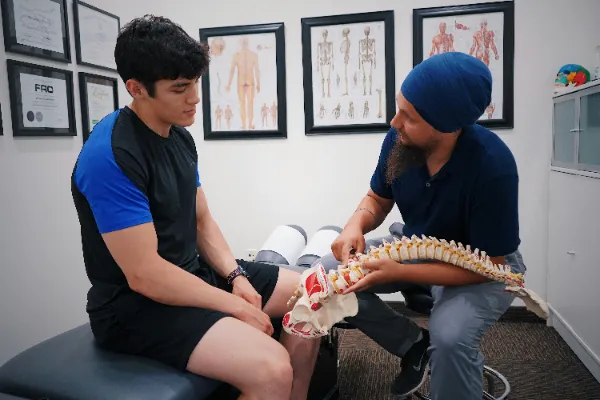
For the adjustment, you’ll lie on a specialized table. A quick, controlled motion is applied to specific joints. You may hear a pop — that’s normal. Most patients describe the feeling as a release of pressure.
Afterward, there may be light soreness, like after exercise. You’ll receive simple home tips to help the improvement stick. The goal is better movement, less tension, and steady progress between visits.
Benefits of Spinal Adjustments
Spinal adjustments are not magic, but they can be a powerful tool when your joints are not moving well and your muscles are stuck in protection mode. When the spine moves more normally again, the surrounding muscles and nerves often calm down too.
Potential benefits of a spinal adjustment in Bellevue with Dr. Kalil include:
- Reduced back or neck pain
- Less tension and fewer headaches or migraines
- Improved range of motion in the spine and shoulders
- Better posture and less mid‑back or rib tightness
- Relief after whiplash, sports injuries, or lifting injuries
- More comfortable sitting, standing, and sleeping
Systematic reviews suggest that spinal manipulation is a viable option for many people with low back and neck pain. It is especially helpful when combined with exercise, ergonomic changes, and education, which is exactly how Dr. Kalil structures care.
Every body responds differently, and no chiropractor can promise specific results, but the focus at True Chiropractic Bellevue is always on meaningful improvements in how you feel and function day to day.
Long‑Term Wellness & Lifestyle Support
Once pain calms down, the next step is making sure it does not just bounce right back. That is where long‑term spinal health and lifestyle support come in.
Dr. Kalil looks at how you move during everyday tasks, not just on the treatment table. He uses spinal adjustments to restore motion, then layers on stabilization and strength work so other areas of your body are not constantly overcompensating.
Ongoing care might include:
- Periodic tune‑up adjustments to keep stiff segments moving
- Customized exercises for your core, hips, shoulders, and upper back
- Ergonomic advice for your desk, car, or lifting setup
- Simple strategies for stress management, breathing, and sleep positions
The goal is not to keep you in the office forever. It is to give you enough guidance and tools that you feel more in control of your body and can stay active with fewer flare‑ups.
Real Patient Stories
1. The Desk Worker With Sudden Back Pain
A middle‑aged office worker came in with intense low back pain that hit after a weekend of moving into a new apartment. They bent to lift a heavy box, felt a sharp grab in their back, and suddenly could not stand upright. Sleeping was rough, mornings were brutal, and even driving hurt. Over‑the‑counter pain relievers barely touched it.
During the exam, signs pointed to a disc‑related low back issue. Dr. Kalil recommended visits two to three times per week for the first couple of weeks. Treatment blended targeted spinal adjustments, McKenzie‑style movements that took pressure off the disc, soft tissue work, and gentle stabilization exercises. Within about two weeks, the patient was walking, sleeping, and driving comfortably again.
From there, the plan shifted to progressive strength and mobility so they could return to lifting and work without relying on pain flare‑ups as a warning sign. Outcomes like this vary, but it is a good example of combining hands‑on care with smart movement.
2. The 911 Operator With Neck Pain and Headaches
A 911 operator spent long shifts on multiple screens and phone lines. Neck pain had been an off‑and‑on issue, but a recent flare became constant, with daily headaches. Usual self‑care tricks stopped working, and medication did not make much difference.
In the exam, Dr. Kalil found limited motion in the lower neck, tension through the upper back, and signs of an old disc injury that had never been addressed. The plan started with two visits per week for a few weeks, focusing on gentle cervical and thoracic adjustments, soft tissue work to calm overactive muscles, and specific neck and shoulder strengthening exercises.
Within about two weeks, headaches faded and neck pain dropped significantly. The patient also got a mini “break routine” for work that included posture resets and micro‑stretches between calls so their job was less likely to trigger the same problem again.
3. The Active‑Duty Member With Sciatica
An active‑duty service member arrived with sharp, burning pain from the low back into the left leg, all the way down to the foot. Sitting, bending, and even walking were miserable. Imaging had already shown irritation in the low back disc and sciatic nerve.
For the first two weeks, care was more intensive, with three visits per week. Treatment included spinal adjustments designed to reduce disc pressure, McKenzie‑based extension work, soft tissue therapy along the hip and leg, and progressive core and hip strengthening.
Pain levels dropped from a 9/10 to the 2–3/10 range in the early weeks, then gradually to minimal as strength and movement patterns improved. The patient was able to return to active duty, now with a better understanding of how to protect their back under heavy physical demands.
Book An Appointment
Please use the booking tool below to book an appointment or by calling us on (425) 224-5533
FAQs - Spinal Adjustment
What is spinal manipulation?
Spinal manipulation is another term for a spinal adjustment. It is a hands‑on treatment where a licensed chiropractor applies a controlled force to specific joints in the spine to improve motion, alignment, and function. This can take stress off irritated joints, muscles, and nerves so they work together more smoothly. Research suggests spinal manipulation can be a helpful option for many people with low back and neck pain.
Does the adjustment hurt?
Most people feel little to no pain during an adjustment. You might feel pressure, a quick stretch, and sometimes hear a pop as gas releases from the joint. Many patients describe almost instant ease or lightness in the area. Mild soreness afterward is possible, like after starting a new workout, and usually fades within a day or two. If a spot is very sensitive, Dr. Kalil can use gentler mobilizations or tool‑assisted techniques instead of a traditional thrust.
How many sessions will I need?
It depends on what is going on, how long it has been happening, and your goals. Some patients with simple, recent issues feel better in a few visits. More chronic or severe problems, like long‑standing disc or nerve irritation, usually need more time. In general, Dr. Kalil often starts with a short trial of care (for example, a couple of weeks of consistent visits) and then reassesses your progress. He will always be upfront about what he recommends and why.
Are there risks with spinal adjustments?
Any healthcare treatment has some risk. With chiropractic adjustments, the most common side effects are mild soreness, stiffness, or temporary fatigue. Serious complications are rare, especially when care is provided by a licensed chiropractor who screens you properly. Spinal adjustment is considered a conservative, non‑invasive option and often used before higher‑risk procedures like injections or surgery. If something in your history or exam suggests an adjustment is not right for you, Dr. Kalil will modify care or refer you out.
Is chiropractic safe for children?
Yes, when performed by a chiropractor trained to work with kids, chiropractic care can be safe for children. The force and style of adjustment are very different from what an adult receives. Instead of big thrusts, care focuses on gentle mobilizations and light pressure that match a child’s size and anatomy. Often, the focus is on posture, growing pains, or sports‑related aches. Parents are always welcome to ask questions and stay involved at every step.
Can I get adjusted while pregnant?
In many cases, yes. Prenatal chiropractic care is designed to be gentle, supportive, and safe for both parent and baby. Treatment for pregnant patients usually centers on low‑force mobilizations, modified adjustments, soft tissue work, and very low‑intensity exercises to keep the back, hips, and pelvis as comfortable as possible. Pregnancy pillows and special setups are used so you can relax on the table. As always, care is tailored to your trimester and any guidance from your medical provider.
Content Reviewed by