Vertigo Treatment in Bellevue, WA
Vertigo can feel alarming — like the world is spinning even when you’re standing still. It may bring nausea, unsteadiness, and hesitation to move because you don’t trust your balance.
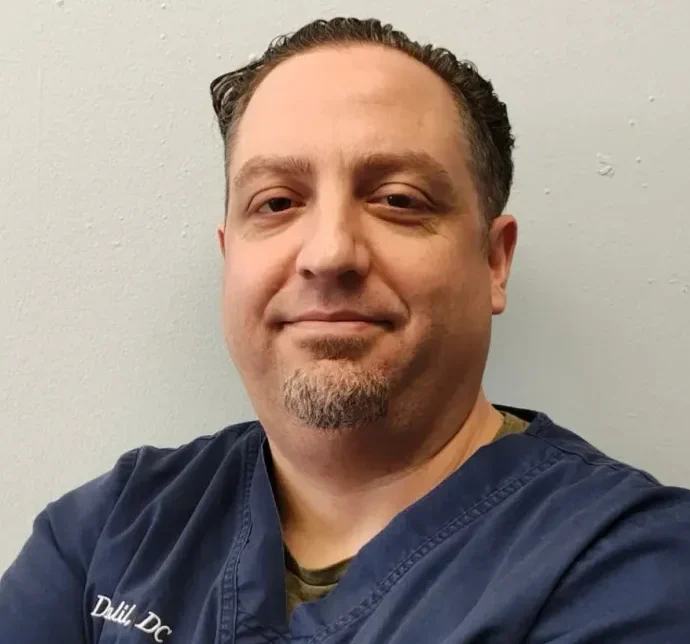
At True Chiropractic Bellevue, Dr. Jordan Kalil provides gentle, non-invasive vertigo care designed to help your body regain balance and confidence. Chiropractic adjustments and specific repositioning techniques are used to address inner-ear and neck-related causes of vertigo.
If dizziness or vertigo is starting to disrupt your daily life, a proper evaluation can help you understand what’s going on and what to do next. This page explains how vertigo treatment works in our clinic and when it’s important to seek a professional evaluation.
What is Vertigo?
Vertigo is a sensation that you or your surroundings are spinning or tilting when you’re actually stationary. It’s not a disease on its own but a symptom of problems in the inner ear or the brain’s balance centers. Unlike general lightheadedness, vertigo often comes on suddenly and can last from a few seconds to several minutes. Dr. Kalil explains that inner‑ear crystals (canaliths) can become dislodged from their usual place in the utricle and migrate into the semicircular canals. When this happens, as in benign paroxysmal positional vertigo (BPPV), the inner ear sends false signals to the brain, creating a swirling sensation. Vertigo can also arise from infections, migraines, head injuries or central nervous system issues. Understanding that vertigo is a symptom—sometimes a very treatable one—can ease some of the fear and set the stage for recovery.
Symptoms of Vertigo
- Spinning or rocking sensation – feeling like you or the room is moving even when you’re still.
- Nausea or vomiting – upset stomach or throwing up, often triggered by head movements.
- Sweating or feeling clammy – clamminess that accompanies the spinning sensation.
- Ringing or fullness in the ears (tinnitus) – hearing loss or buzzing in one ear.
- Headaches or migraines – throbbing head pain that may come with vertigo.
- Blurred or double vision – difficulty focusing when vertigo strikes.
- Nystagmus – rapid, involuntary eye movements.
- Difficulty walking or standing – loss of balance or stumbling.
- Hearing loss in one ear – partial loss of hearing, especially with certain causes.
- Feeling of fullness in the ear – pressure or congestion without infection.
- Severe-case symptoms – weakness, slurred speech or facial paralysis (seek emergency care).
Common Causes of Vertigo
There are two main types of vertigo:
Peripheral vertigo: This comes from the inner ear or the vestibular nerve — the system that controls balance. Common causes include:
• BPPV (loose crystals in the inner ear)
• Ménière’s disease (fluid buildup with ringing in the ears)
• Labyrinthitis or vestibular neuritis (inflammation, often viral)
• Head injury or whiplash affecting balance structures
Central vertigo: This begins in the brain or cerebellum — the areas that process balance. It may be linked to:
• Migraines
• Multiple sclerosis
• Strokes or mini-strokes
• Certain medications or neurological conditions
Other contributing factors can include prolonged bed rest, low blood pressure, diabetes, and ear surgeries. Because vertigo is a symptom, not a condition by itself, proper evaluation is key. Identifying the true cause is the first step toward the right treatment and steady ground again.
Vertigo Treatment
Vertigo sometimes improves on its own as the brain adjusts. When it doesn’t, treatment depends on the cause. Medical care may include medications for nausea, dizziness, anxiety, or inflammation. Infections may require antibiotics or antivirals. For inner-ear–related vertigo, vestibular rehabilitation uses guided movements to help the brain adapt and restore balance.
Dr. Kalil works closely with medical providers when additional testing or medication is needed, including referrals to primary care or ENT specialists.
Because vertigo is a symptom, not a diagnosis, the goal is to identify the root issue — whether inner-ear crystals, migraines, or something more serious. Many patients do best with a combined approach, using medical support along with chiropractic or physical therapy to improve balance and confidence.
Chiropractic Treatment for Vertigo
From Dr. Kalil’s perspective, vertigo can sometimes be influenced by misalignment in the upper neck. When the joints here aren’t moving well, it may interfere with signals between the inner ear and the brain — making balance harder to maintain. Gentle chiropractic adjustments aim to restore alignment and support normal nerve communication.
When vertigo is caused by BPPV, Dr. Kalil uses the Epley maneuver — a guided series of head and body movements that help reposition the tiny crystals inside the inner ear. This method is highly effective, with success rates around 78% after one session and over 95% with repeated treatments.
Care often includes posture tips, hydration guidance, and simple home exercises to support long-term balance. Chiropractic offers a medication-free approach that can complement medical care. While results vary, many patients report fewer spinning episodes and a more stable, confident daily life.
Book An Appointment
Please use the booking tool below to book an appointment or by calling us on (425) 224-5533
FAQs - Vertigo Treatment
What does vertigo feel like?
Vertigo feels like you or the room are spinning or moving when you’re actually still. It’s often accompanied by nausea, sweating, ringing in the ears or balance problems.
Is vertigo the same as dizziness?
Not quite. Dizziness is a general term for feeling unsteady or light‑headed. Vertigo specifically involves a spinning or rotating sensation due to issues in the inner ear or brain.
How does the Epley maneuver work?
The Epley maneuver guides canaliths—tiny calcium crystals—out of the semicircular canals and back into the utricle. This repositioning stops the crystals from triggering false balance signals. Success rates improve from about 78 % after one maneuver to over 95 % with repeated sessions.
Is chiropractic care safe for vertigo?
Chiropractic care for vertigo is generally safe when performed by a qualified professional and after ruling out serious causes. Dr. Kalil uses gentle techniques and will refer you to a medical provider if needed. Success rates for canalith repositioning maneuvers are high, and many patients experience relief.
How long until I feel better?
Relief varies by person. Some people notice improvement after one or two maneuvers, while others may need a few weeks of combined chiropractic and home exercises. Dr. Kalil will set expectations based on your diagnosis and monitor your progress.
Do I need medication for vertigo?
Medication can ease symptoms like nausea and vomiting, especially in acute attacks. However, many vertigo cases—particularly BPPV—respond well to canalith repositioning and chiropractic care. Dr. Kalil often coordinates with your primary doctor to find the right balance of interventions.
Content Reviewed by